

CRA Tax Deadline Alert: Self-Employed Canadians Have Until June 16 to File — But Interest Has Been Running Since May 1
Canada Tax, Self-Employed, CRA Deadlines
CRA Self-Employed Tax Filing Deadline June 16, 2026 — Interest Has Been Accruing Since May 1
If you’re self‑employed in Canada, your 2025 tax filing deadline is June 16, 2026 — but the CRA has been quietly charging interest on any balance you owe since May 1. Here’s what that actually means for your wallet, how bad it can get if you ignore it, and what you can still do right now to limit the damage.
Quick reality check: the CRA gives self‑employed people more time to file, not more time to pay. That tiny detail is where a lot of freelancers, contractors, and small business owners get burned — especially in years when the deadline date shifts because June 15 falls on a weekend.
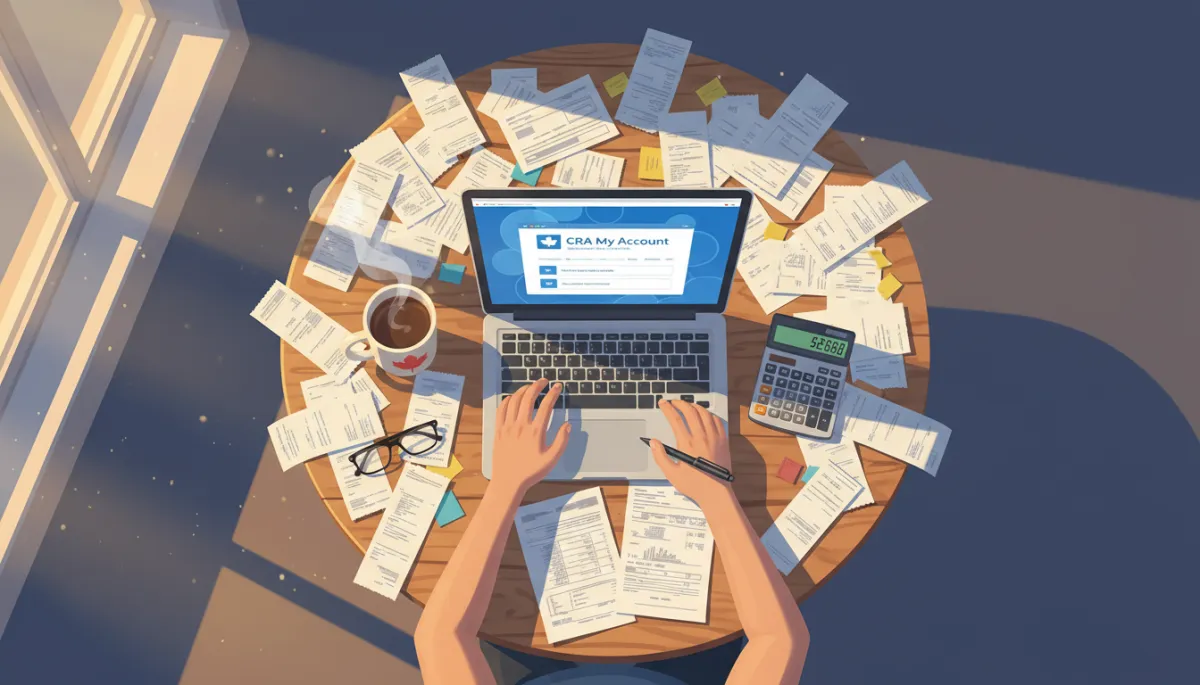
First, the dates that matter for 2025 taxes (filed in 2026)
We’re talking about your 2025 tax year, which you file in 2026. If you earned self‑employment income in 2025 (freelancing, rideshare, consulting, side hustle, small business, anything reported on a T2125), here’s how the CRA looks at your deadlines:
- Payment deadline:May 1, 2026 — this is when any balance owing for 2025 is due. Interest starts the day after, on May 2, 2026.
- Filing deadline (self‑employed): Normally June 15, but in 2026 that lands on a Monday following a weekend, so the CRA’s effective deadline is June 16, 2026.
The key problem: those two dates are not the same thing. You can file as late as June 16 without a late‑filing penalty, but if you owe money, interest has already been building since May 2.
Filing deadline vs. payment deadline: how the CRA really treats you
The CRA basically splits your tax obligations into two buckets:
- When you must pay any balance you owe.
- When you must file your actual return.
For most employees, both dates are effectively April 30/May 1. For self‑employed people, the CRA gives you more time to file, but not more time to pay. That’s why interest is already running in the background while you’re still hunting for receipts and waiting for your bookkeeper.
“Think of June 16 as a paperwork deadline, not a payment deadline. The bill was due May 1.”
So what exactly is happening between May 1 and June 16?
If you owe tax for 2025 and you haven’t paid it in full by May 1, 2026, the CRA starts charging you daily compound interest starting May 2. That interest continues to build:
- Every single day until your balance is paid in full, and
- Even if you haven’t filed yet — the CRA will estimate based on what you eventually submit.
The CRA updates its interest rate every quarter. It’s often several points higher than what you’d get on a savings account — more like putting your tax bill on a high‑interest credit card than a friendly loan.
A quick example: how much could this actually cost you?
Let’s say you’re a freelancer in Toronto and you end up owing $6,000 in tax for 2025:
- You don’t pay anything by May 1, 2026.
- You file your return on June 16, 2026.
By the time you file, you’ve already racked up about six weeks of interest. Depending on the CRA’s rate that quarter, that can easily be:
- Dozens of dollars on a smaller balance, or
- Hundreds of dollars if you owe more and wait even longer to pay.
And remember, that interest keeps going after June 16 until you’ve paid the balance in full. The filing deadline just stops the late‑filing penalty from kicking in — it doesn’t stop interest.
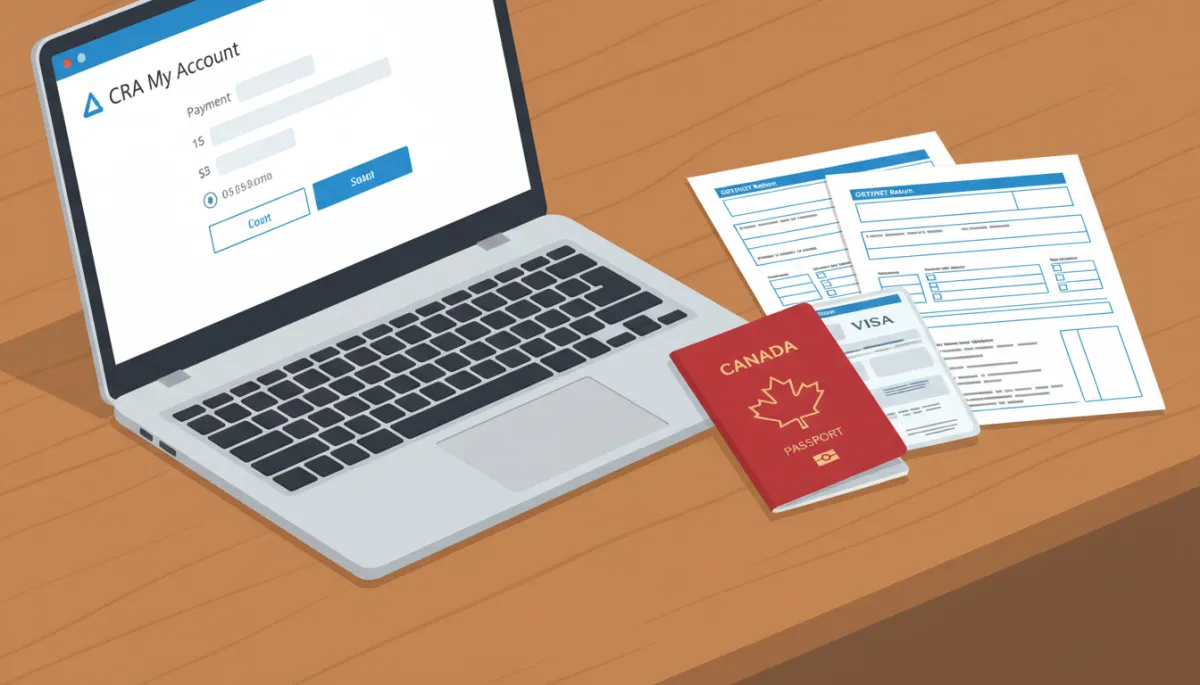
What if you file after June 16, 2026?
This is where things go from “annoying” to “ouch.”
- Interest on any unpaid balance keeps compounding daily from May 2, 2026 onward.
- Late‑filing penalties can kick in once you miss the self‑employed filing deadline: typically 5% of your balance owing, plus 1% per month that your return is late, up to 12 months — and more if you have a history of filing late.
That’s on top of the interest. It’s very possible to end up paying hundreds extra just for waiting, even if your actual tax situation is pretty straightforward.
I’m not ready. What should I do right now?
If you’re reading this close to or after June 16, 2026, you still have options — but you need to move. Here’s a practical, no‑nonsense game plan:
- Estimate what you owe. Look at last year’s tax return as a starting point. If your income was similar, assume a similar tax bill. If your income went up, bump the estimate up too.
- Pay something immediately. Even a partial payment through CRA My Account, online banking, or at your financial institution will reduce the amount interest is being charged on.
- Get your records together. Gather T4s, T5s, T4A, T5018, invoices, bank and credit card statements, and receipts for business expenses. Don’t overthink it — just get everything in one place.
- File as soon as humanly possible. Even if you can’t pay the full amount, filing stops late‑filing penalties from getting worse and gives you a clear number to work with.
- Talk to the CRA if you truly can’t pay. In some cases, you can set up a payment arrangement. They’ll still charge interest, but it’s better than ignoring them and risking collections action.
How to avoid this stress next year
The pattern for a lot of self‑employed Canadians looks like this: scramble in June, swear you’ll be more organized, repeat next year. You can break that cycle with a few simple habits:
- Set aside a percentage of every payment. 20–30% of your self‑employment income into a separate “tax” account is a good starting point for many people. Adjust once you know your actual effective tax rate.
- Keep your books updated monthly. Even basic income and expense tracking will make tax time 10x less painful — and more accurate, so you don’t overpay or miss deductions.
- Consider quarterly instalments. If you regularly owe more than a modest amount, the CRA may require instalments anyway. Paying throughout the year can soften the blow and reduce interest risk.
- Get professional support before the deadline crunch. A bookkeeper or tax pro who understands self‑employed Canadians can help you plan instead of just react.
The bottom line: June 16 is not a free pass
If you’re self‑employed, a freelancer, a newcomer running your own thing, or a small business owner in Canada, June 16, 2026 is an important date — but it’s not the full story. The real pain starts on May 2, 2026, when interest begins piling up on any unpaid tax balance.
You still have time to limit the damage: estimate, pay what you can, and file as soon as possible. Future‑you will be very grateful you didn’t let this snowball into a bigger CRA headache.
If your bookkeeping or records are the problem — not your willingness to deal with taxes — you don’t have to untangle it alone. Stiplify Books works with self‑employed Canadians and small business owners to keep books clean, deadlines clear, and CRA surprises to a minimum.
Curious how much easier next year could feel? Visit stiplifybooks.ca to learn how we can help you stay ahead of CRA deadlines instead of dreading them.




